
📊 Portfolio Performance: Strong Fundamentals Heading Into Spring
Across our portfolio, performance remains strong:
Rent Collection Rate: 99.2% (vs. 92.6% Houston average)
Eviction Rate: 0.39% (vs. ~9% Houston average)
Occupancy Rate: 89.5% (vs. 90.8% Houston average)
Rent collection is exceptionally strong, and eviction activity has dropped to near zero. Over the past few months, we worked through a number of legacy and owner-placed tenants, resulting in a healthier and more stable resident base.
Occupancy is slightly below the market average, primarily due to properties that hit the market during the slower December and January leasing window. Those homes have taken longer to lease in today’s more competitive environment.
Bottom line:
The portfolio is in a strong position heading into the spring leasing season, with improving resident quality and leasing momentum building.
📈 Houston Rental Market: More Competition, More Strategy Required
The Houston rental market continues to shift:
New Listings: +5.1% year-over-year
Average Rent: -0.6% year-over-year
Days on Market:
Houston average: 50 days
Emerson: 29 days (42% faster)
We’re seeing a continued increase in available rentals, which is creating more competition and putting pressure on pricing. Rents are relatively stable but trending slightly downward, and properties are taking longer to lease, especially in less desirable areas.
This is where location and quality matter more than ever. Properties in weaker submarkets or far outside core areas are being hit the hardest.
That said, execution still matters.
Even in this environment, we are leasing significantly faster than the market by pricing correctly, moving quickly, and delivering a quality product.
My Outlook
Short-term (next 3–6 months):
More competitive leasing environment
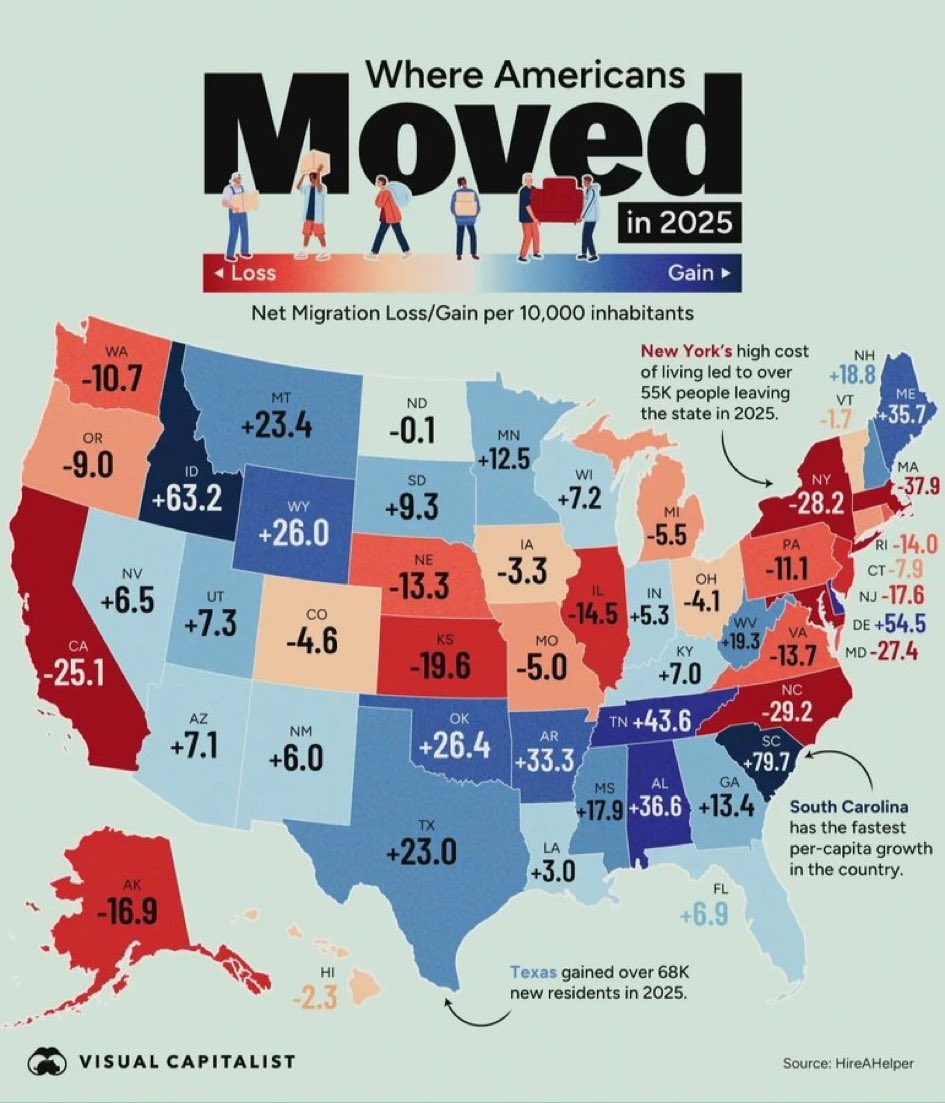
Rents at or slightly below last year
Overpriced properties will sit and require reductions
Long-term (12–24 months):
Reduced future supply should help stabilize rents
Bottom line:
This is a competitive market, not a broken one.
Owners who price strategically, prioritize renewals, and maintain cash reserves will outperform and be well-positioned when the market stabilizes.
Side note: If you own in Bridgeland, expect increased demand as the Texans complete their new headquarters development.
🛠️ Maintenance Update: Temporary Pressure, Stable Operations
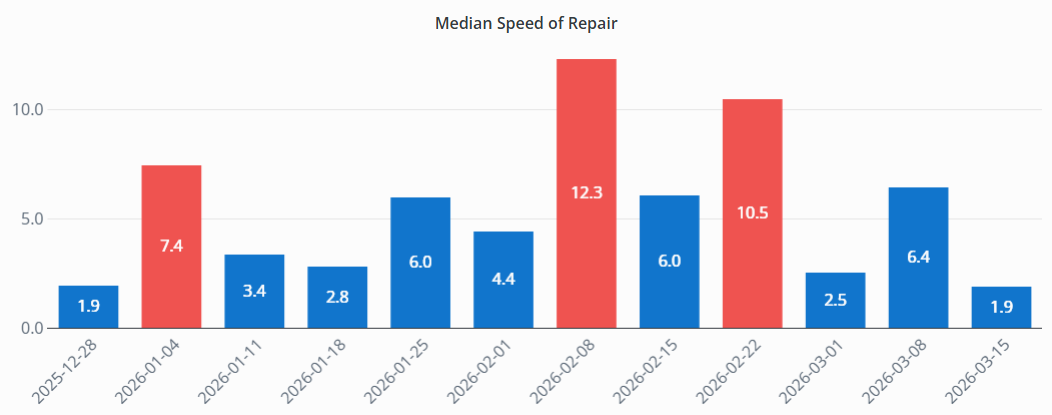
Median Speed of Repair: 9.1 days (vs. ~6–7 day national average)
Resident Satisfaction: 3.9 / 5.0
Work Orders Cancelled: 27.4%
Repair timelines were elevated this month due to clearing a backlog of larger winter projects, including a roof replacement and a delayed dishwasher repair awaiting parts.
This is not a systemic issue, but a temporary result of working through deferred maintenance.
Resident satisfaction was slightly lower than usual, driven almost entirely by appliance-related issues, which we addressed in detail in last month’s update.
Work order cancellations remain around 30%. Most of these are resolved through troubleshooting, determined to be cosmetic, or fall under resident responsibility, all handled at no cost to owners.
Bottom line:
Operations remain stable, and performance is expected to normalize as we move into spring.
💬 Owner & Resident Trends: Retention Remains Strong
Owner Retention Rate: 98.4%
Lease Renewal Rate: 50.6% (vs. ~55–65% national average)
Owner retention continues to perform at a top industry level. Within the National Association of Residential Property Managers, our retention rate is roughly double the industry benchmark.
Lease renewals are trending upward and improving month over month.
Importantly, most non-renewals are not performance-related. They are driven by personal factors such as job relocations, home purchases, or changes in family needs.
📸 Policy Watch: What’s Happening in Other Markets
A recent policy change in Los Angeles is worth noting.
The city passed an ordinance requiring residents to miss two full months of rent before eviction proceedings can begin. This reflects a broader trend of increasing tenant protections in certain markets.
While Texas remains a landlord-friendly state, this serves as a reminder of how quickly regulatory environments can shift in other regions.
We are actively monitoring these trends and will keep clients informed if anything similar begins to surface locally.
🧠 Key Insight: The First 7 Days Make or Break Your Rental
One of the most important data points from recent market research:
31% of all rental leads occur within the first week on market.
That means your highest-leverage window is the first 7–10 days.
If a property is overpriced during that time:
You miss a large portion of demand
Lead volume drops quickly
Days on market increase
You end up adjusting price later, just with less momentum
At that point, you’re no longer competing from a position of strength.
The takeaway:
Pricing correctly from Day 1 is a strategy, not a compromise
Delayed adjustments cost more than proactive pricing
“Testing the market” is expensive
With vacancy costing roughly $100 per day, even short delays can quickly outweigh any potential upside from overpricing.
Our approach is simple: position properties to capture peak demand and lease quickly to qualified residents within our 30-day timeline.
Final Thoughts
This market is separating disciplined operators from reactive ones.
Speed matters
Pricing matters
Preparation matters
Owners who stay proactive will outperform. Those who hesitate will feel the impact.
If you want help positioning your property for this market or want a second opinion on pricing strategy, reach out directly.
To your success,
Cam
.jpeg)